I was fortunate enough to be asked by both the Consul General and Consulate of Pakistan to join this campaign in spreading the word for a unique artistic exhibition titled “This is Pakistan” presented by Anjum Ayaz.
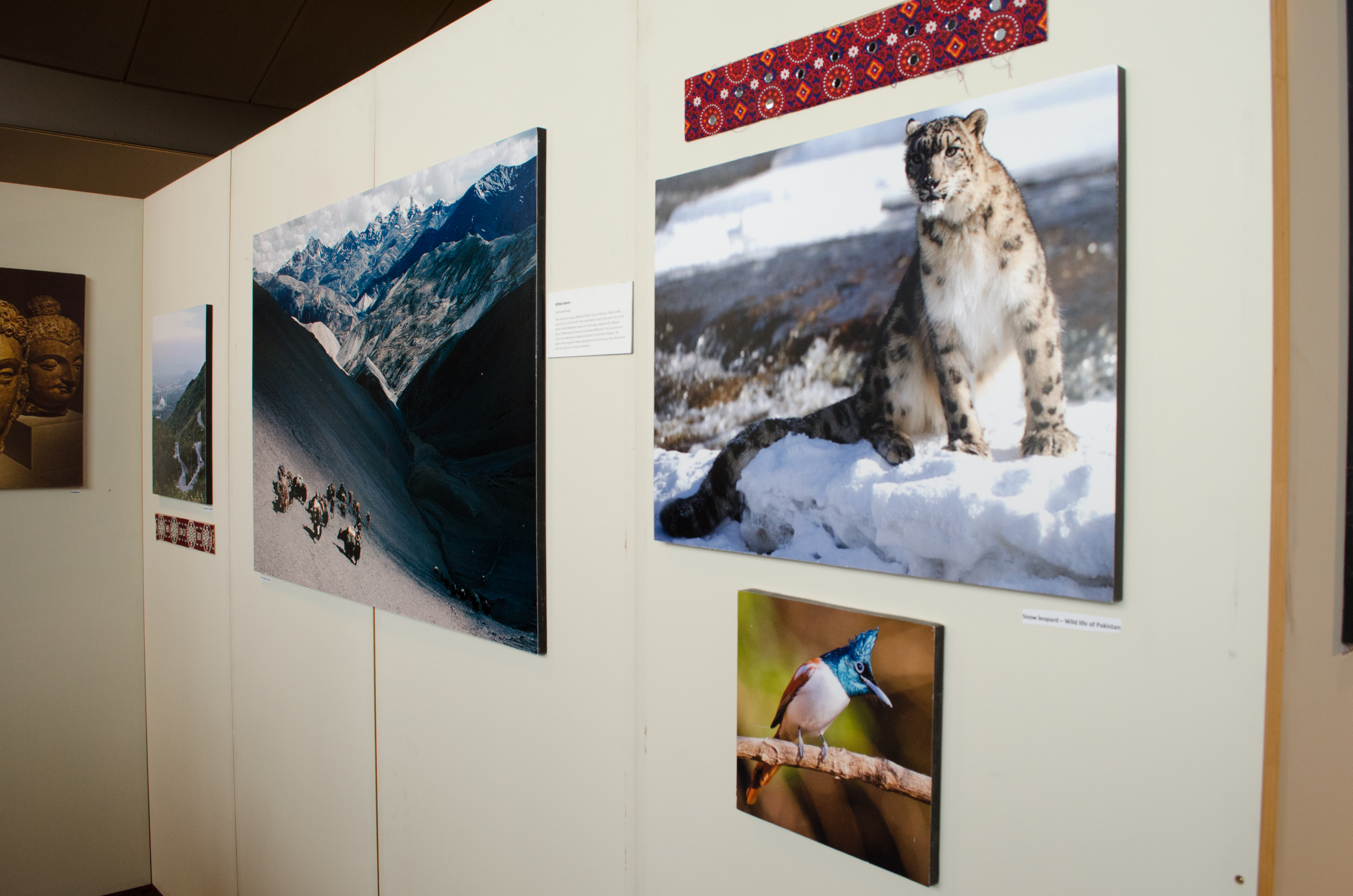
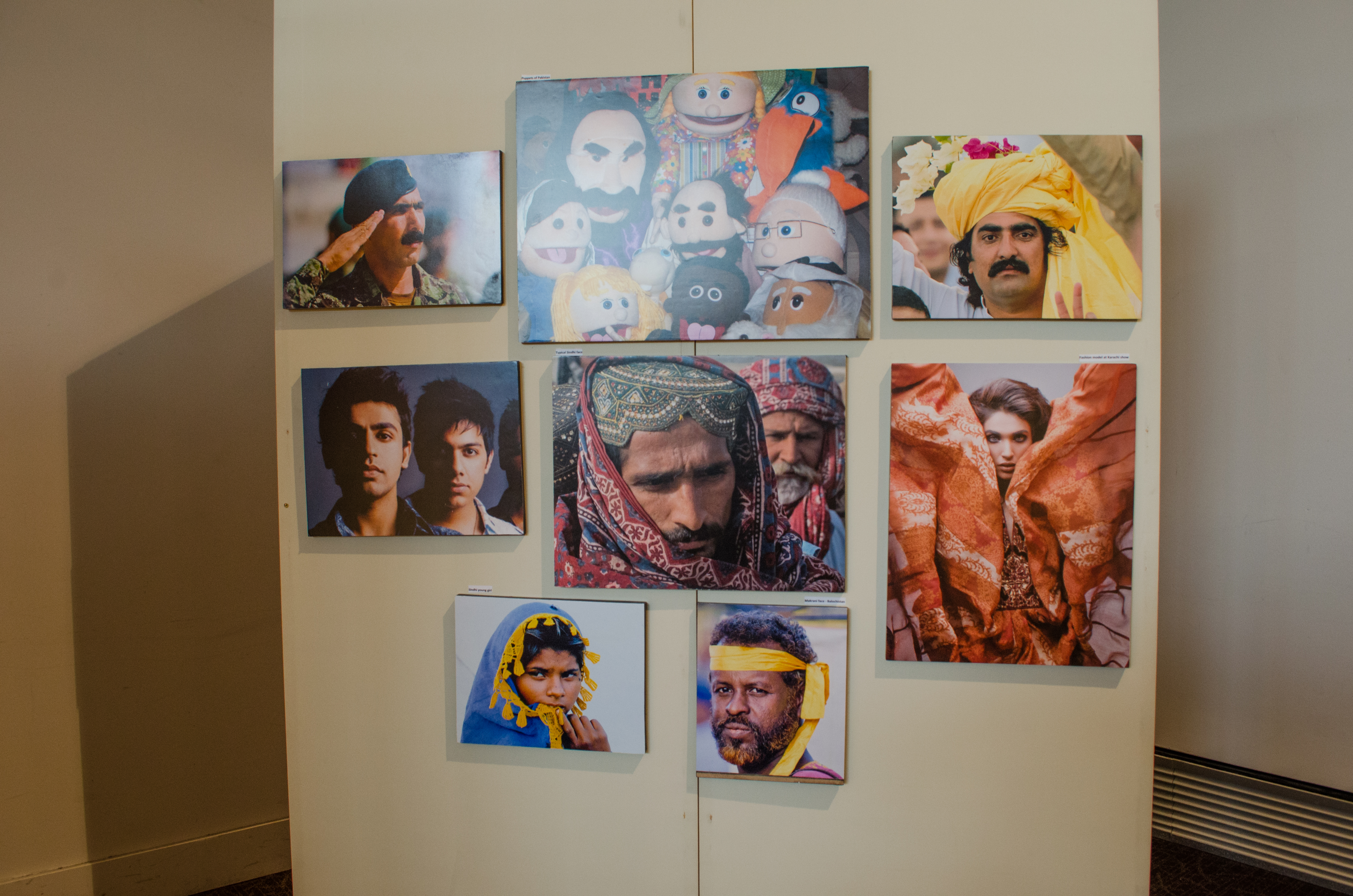
The purpose of the exhibition was to highlight the different flavours, colours, faces, artistic and cultural modes of Pakistan through images and sound.
I, as an aspiring artistic curator visited this exhibition moreso out of curiosity than out of formality of the invitation (which was generous of both the Consul and Consul General of Pakistan). If you have lived in Sydney long enough, you will know that there is a great deficiency in cultural and artistic exhibitions which come from local artists that are based in Pakistan. So, when the opportunity arised, I definitely did not pass it up.
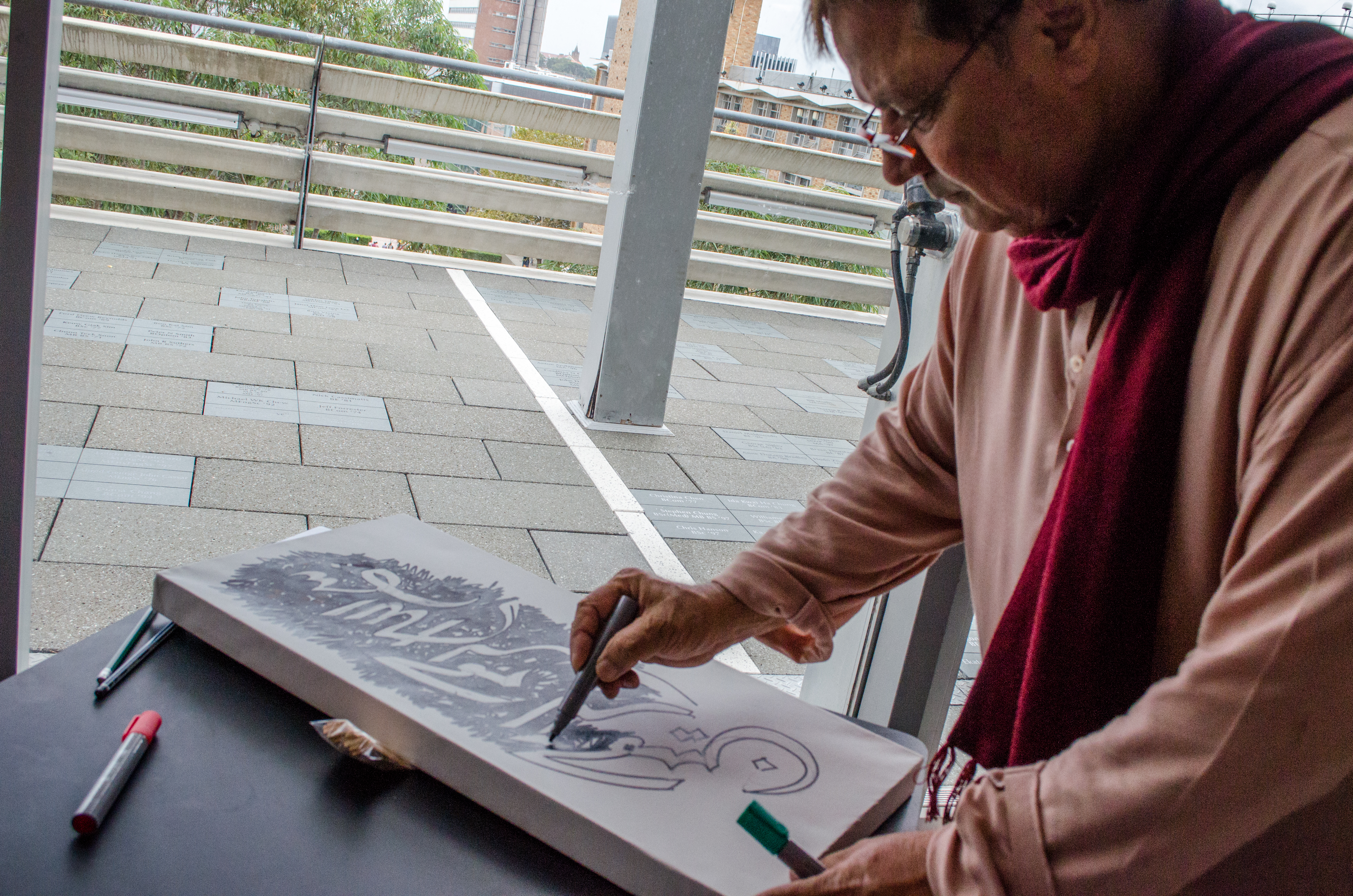
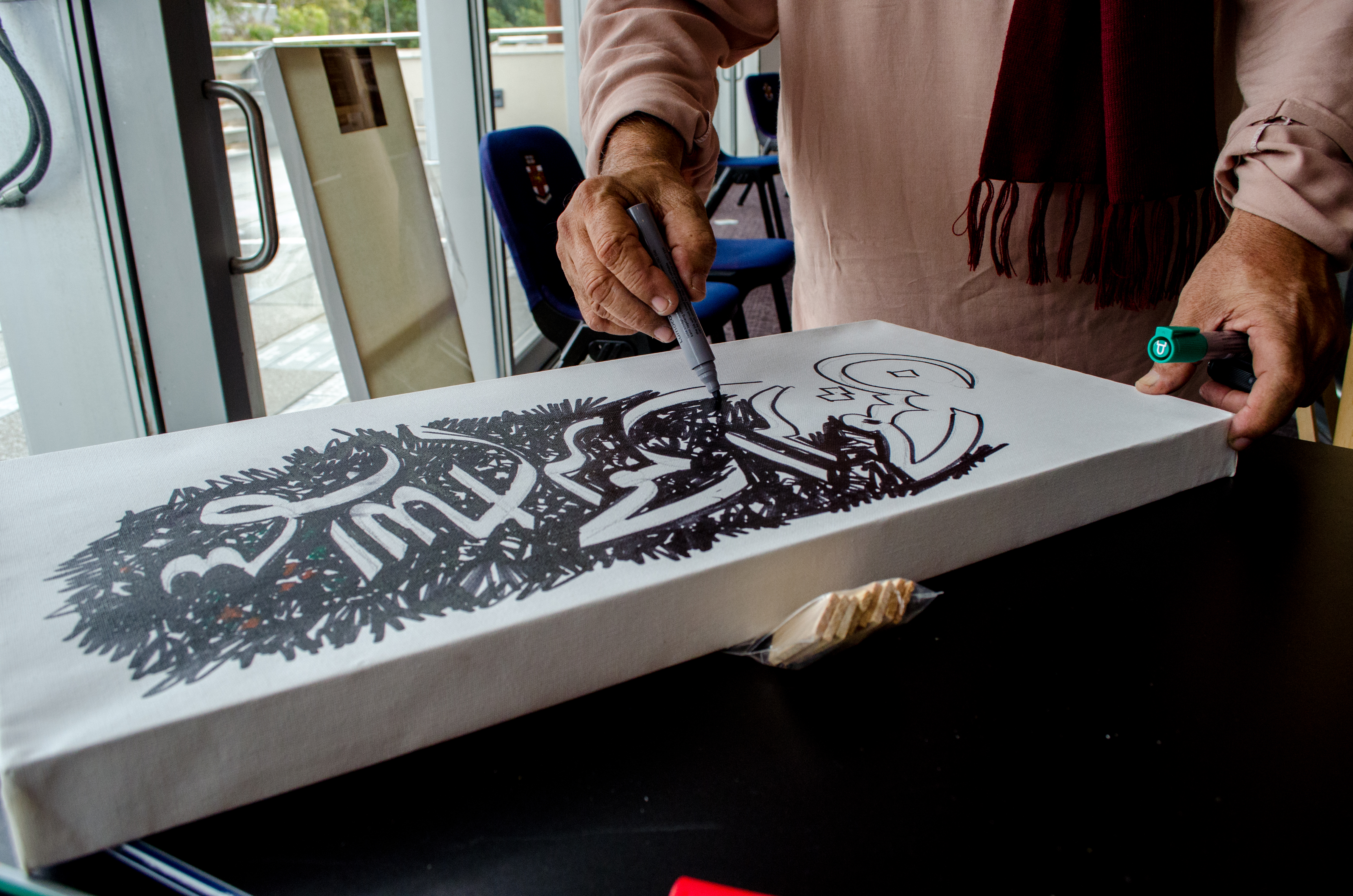
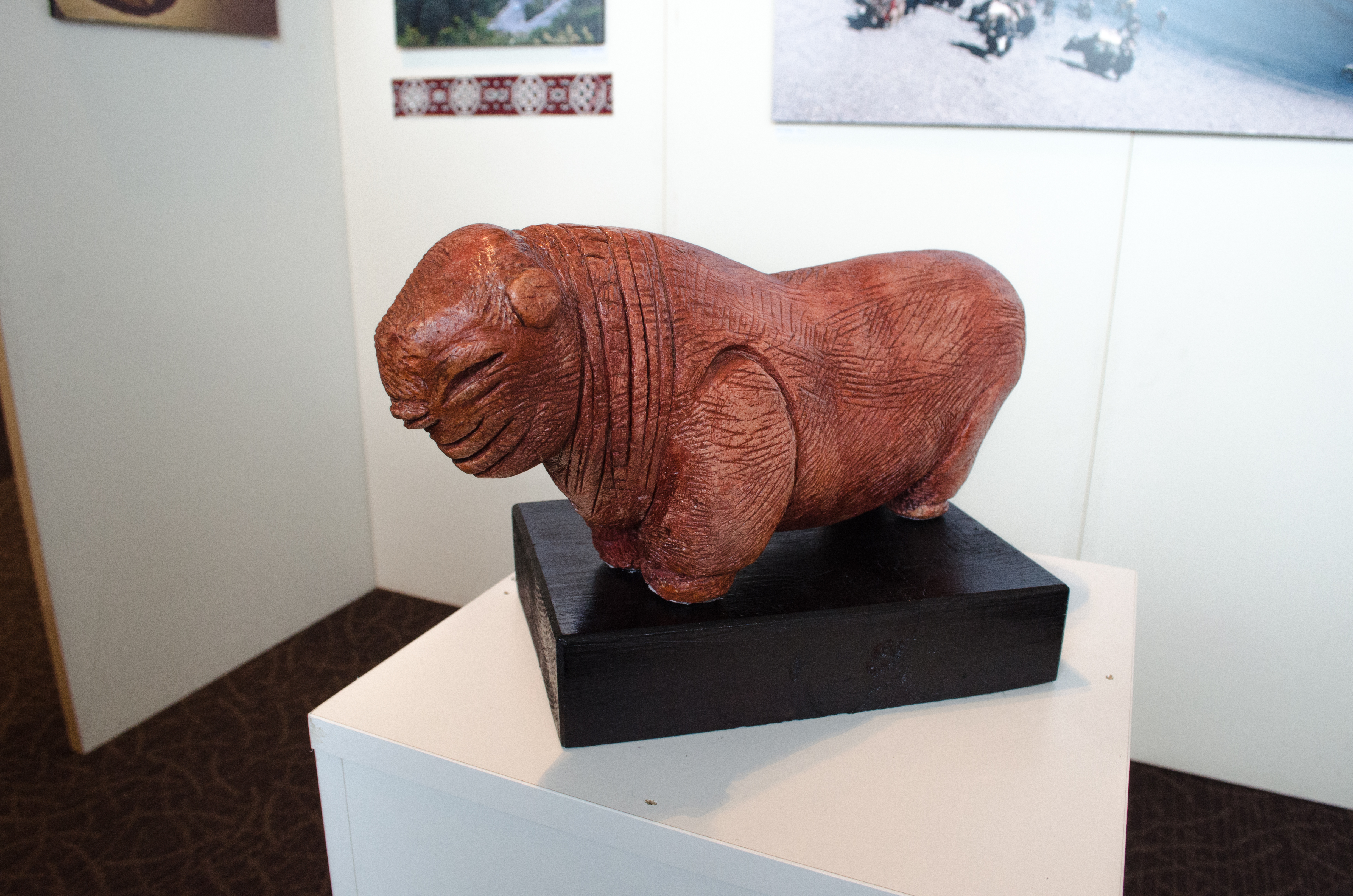
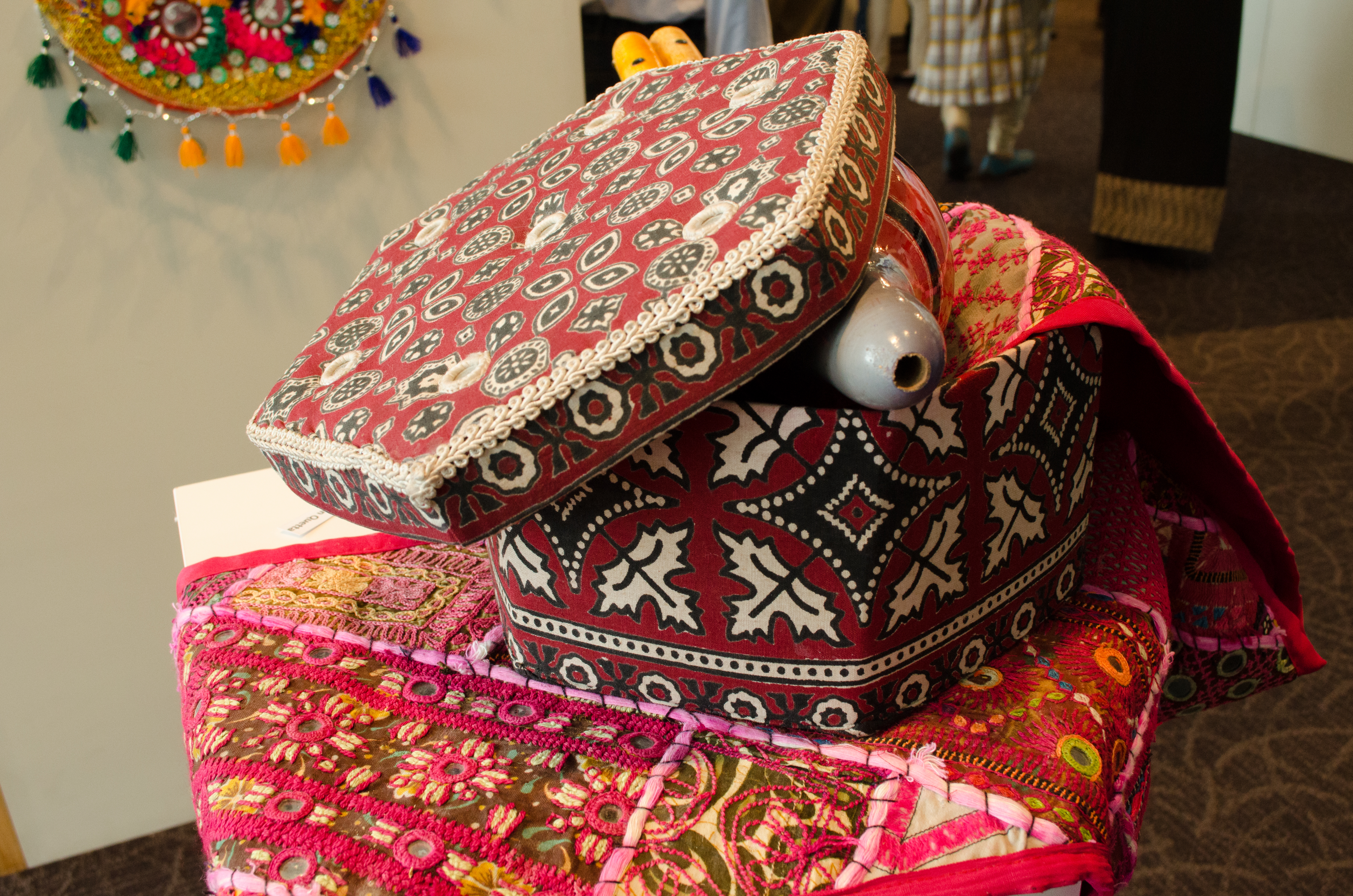
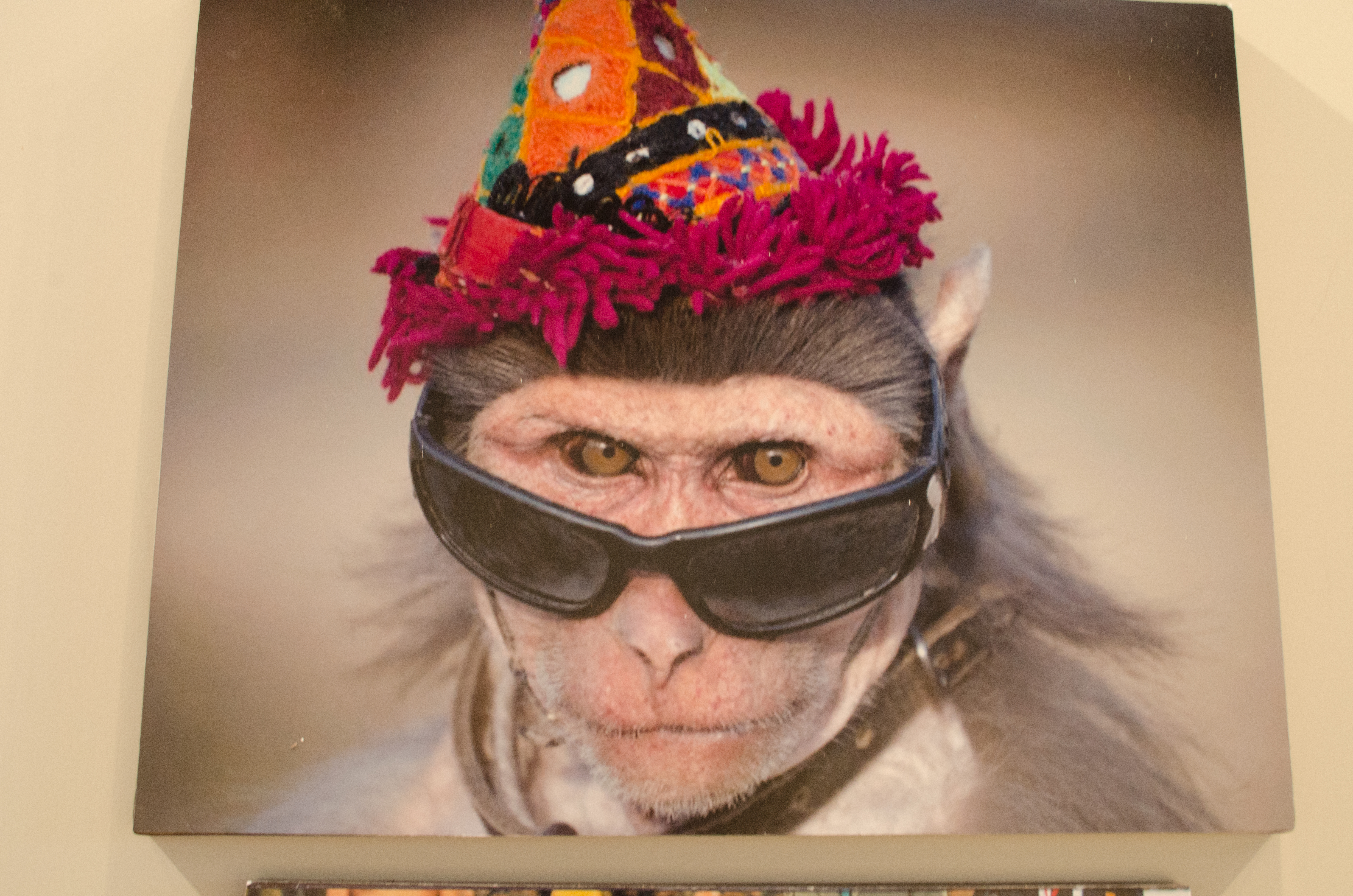
The exhibition in itself was mainly represented as a pictorial.
There were miniature sculptures, small embellishments and remembrances of jewels that hindered right back home to the essence of what Pakistan is. I daresay, this was quite fitting to host it on the eve of “Pakistan Resolution Day” which commemorates the passing of the bill for an independent Islamic State in the days of the India-Pakistan separation.
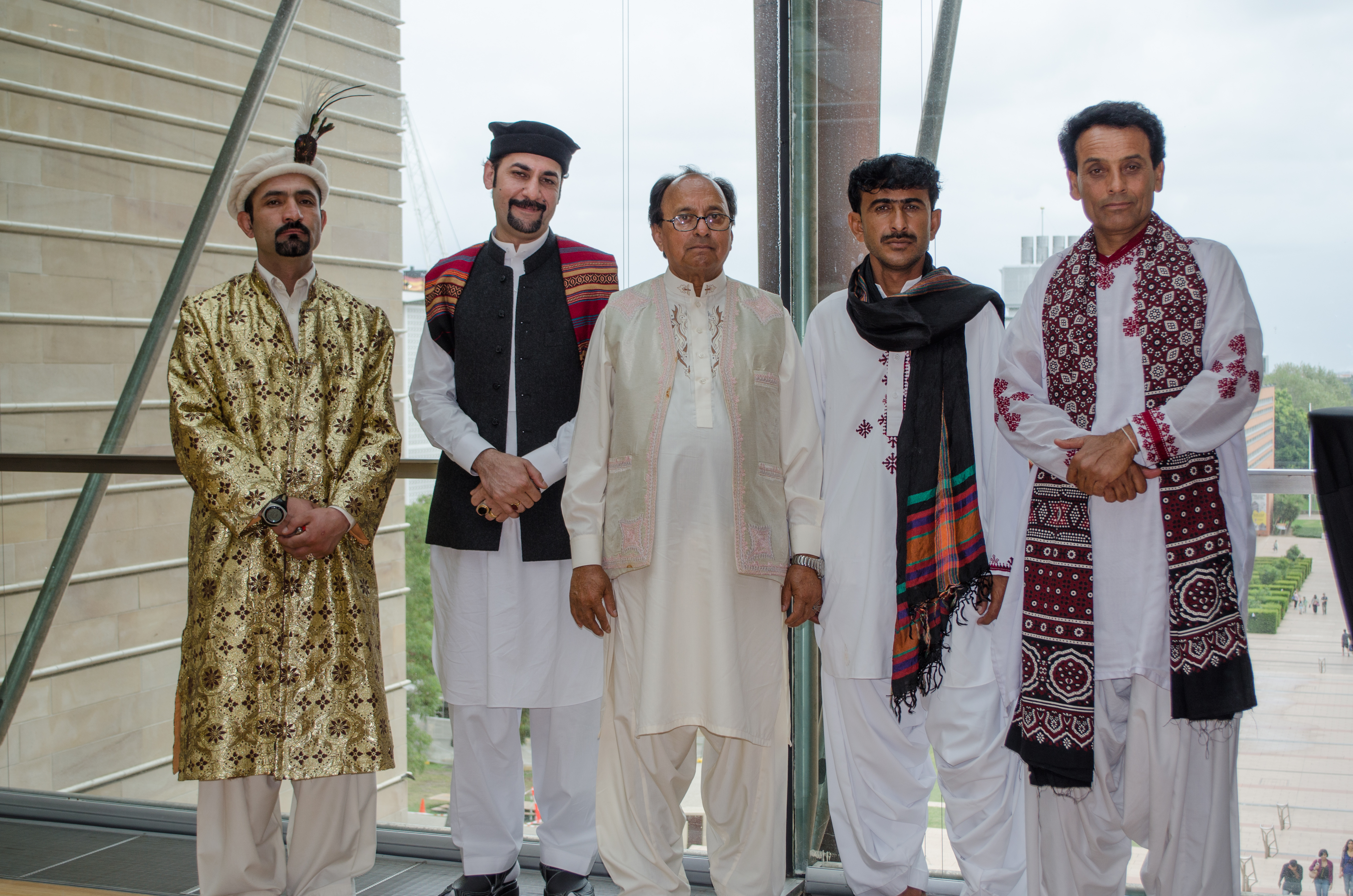
The main attraction for me though (as the musician) was to meet and listen to the performances of the regional instrumentalists that had flown in from all the different provinces/states of Pakistan.
For everyone that is unaware of Pakistani geography, each state has their own multicultural culture, and, also has their regional dialects. There was a musician from each of the five Pakistani provinces present with their instruments – and oh my goodness they were amazing.
Such a sight is never witnessed where you are able to witness and experience the sounds of your home country in Australia. These instrumentalists came from folk areas and backgrounds. Hearing them play was a luxury that not many human beings are granted.

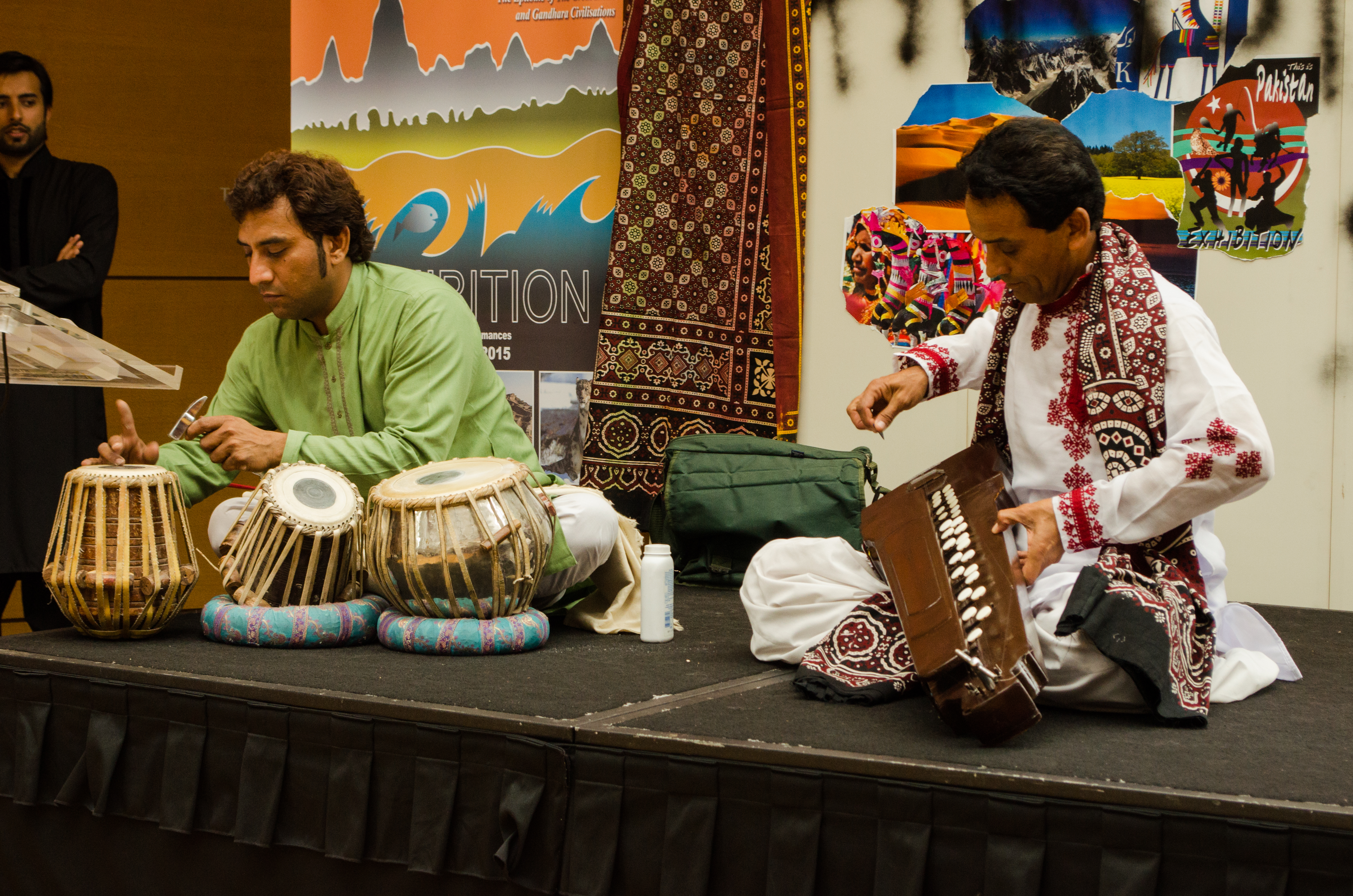
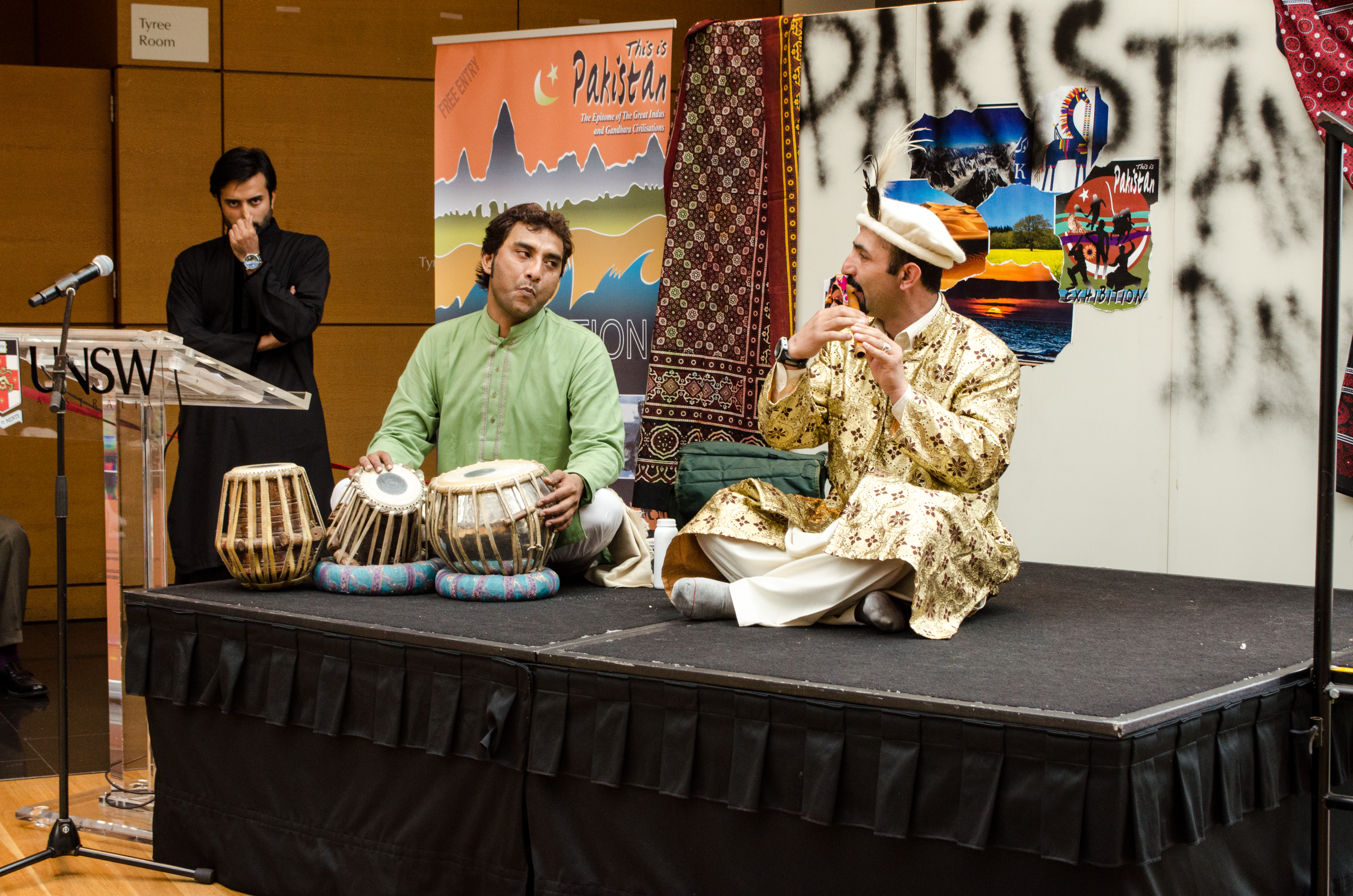
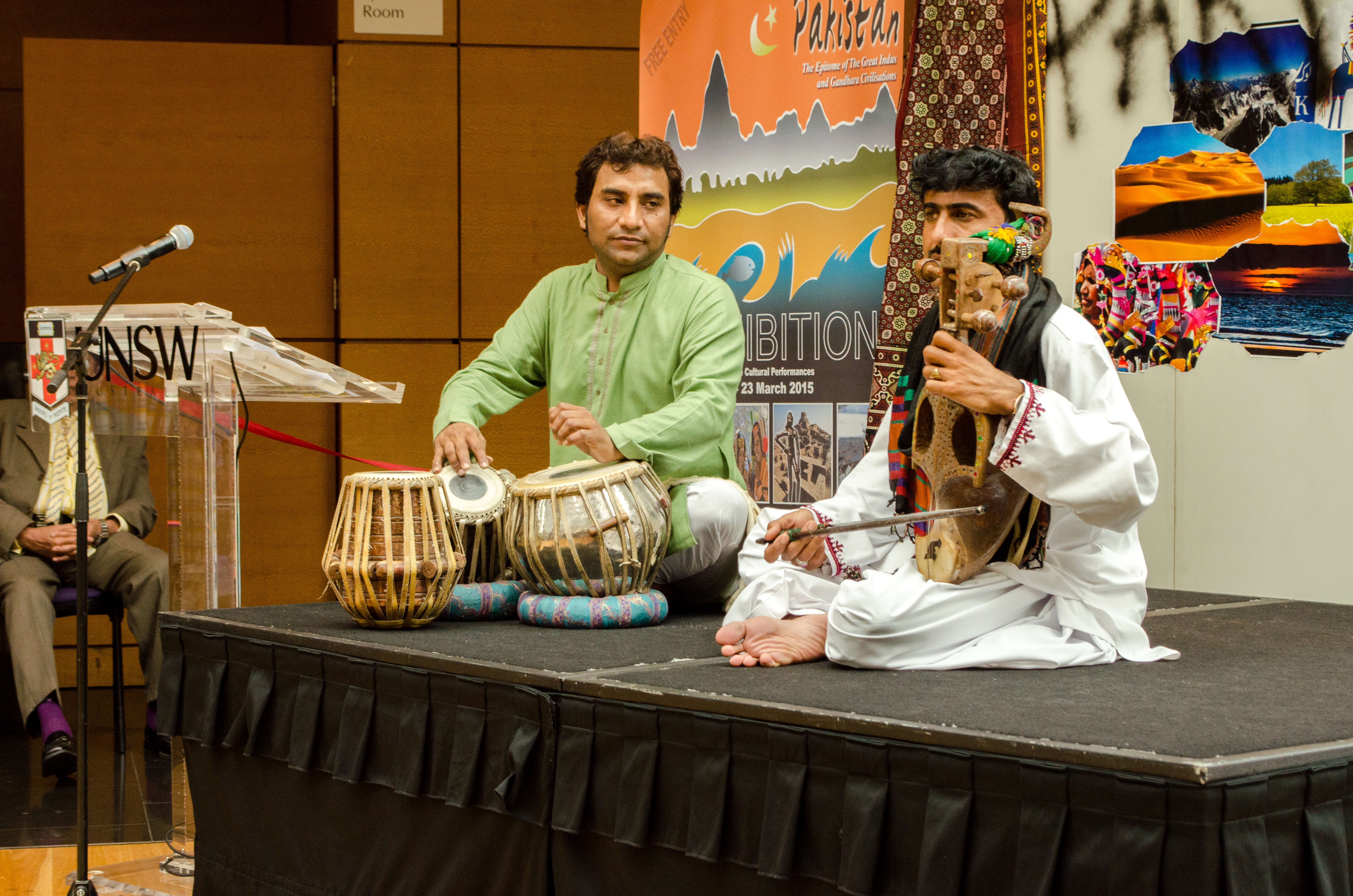
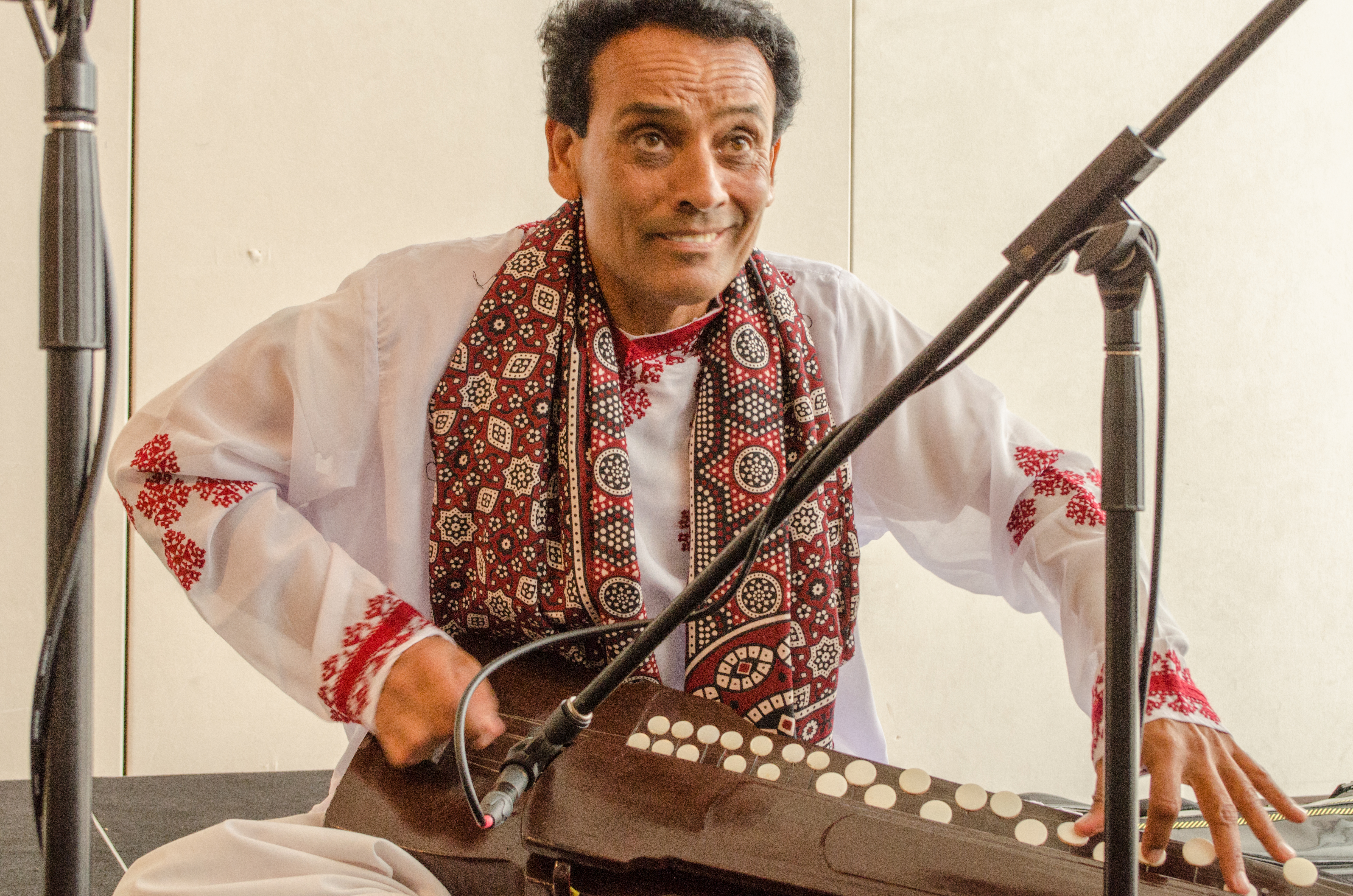
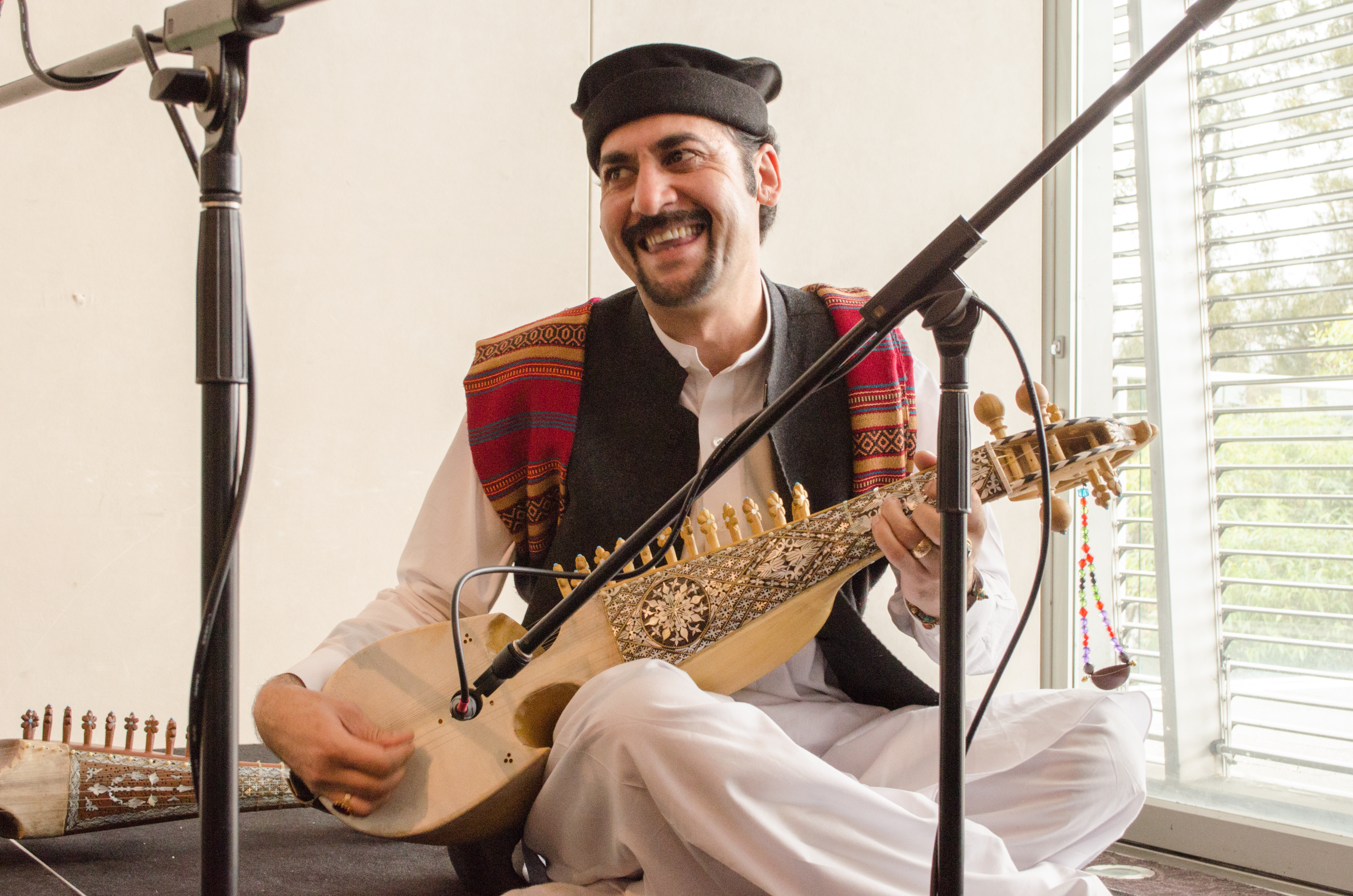
My favourite musician was definitely Shahid Malang on the Rubab. He had the most charming expressions when he played, and, his interactions with the tabla player made my heartstrings contract. I become incredibly fond of someone when their hearts come out onto their instrumentation and into their craft. The joy was exploding in his eyes when he touched that Rubab, and, it had enchanted the audience into watching him play onstage.
When you see two musicians communicating with subtle cues like head nods, eye wiggles, and smiles when they have hit a musical peak, it really shows the sign of great communication.
A performers’ language is an unspoken understanding
The concept of Pakistani arts in Australia has been incredibly under-recognised in the past. The most Pakistani events would have for cultural components is local, or, international musicians come in and belt out 2-3 national songs, and that would be it. There are very less events that choose to stage a tableau, a spoken word, poetry or artwork.
As much as I value music, it was refreshing to see something different come to life. It was an experience seeing Pakistani artwork being on display in an overseas institution.
For me, as an artist, I got to witness and personally engage with the people that are now being the curators for the image of our country. It’s an opportunity to speak to them and ask them how they came about to learning their craft, what struggles they have faced within their artistry, how do they feel carrying this responsibility and honour of their provinces.
I would like to thank the organisation “Koocha-E-Saqafat” for coming forwards with a Pakistani-Arts platform in Sydney. It is people like you who are preciously preserving our traditions and bringing our artists into Australia to deepen the understanding of Pakistani Arts into modern society. I would also like to thank Consul General Mr Abdul Aziz Uqali and Consul Mr Shifaat Kaleem for inviting me on the campaign for this exhibition, and, for generously inviting me as a guest.
The experience was one and truly invaluable.
I’m proud to be Pakistani.
 Mehreen Javed